
What Triad Homeowners Should Know After an Ice or Snow Storm
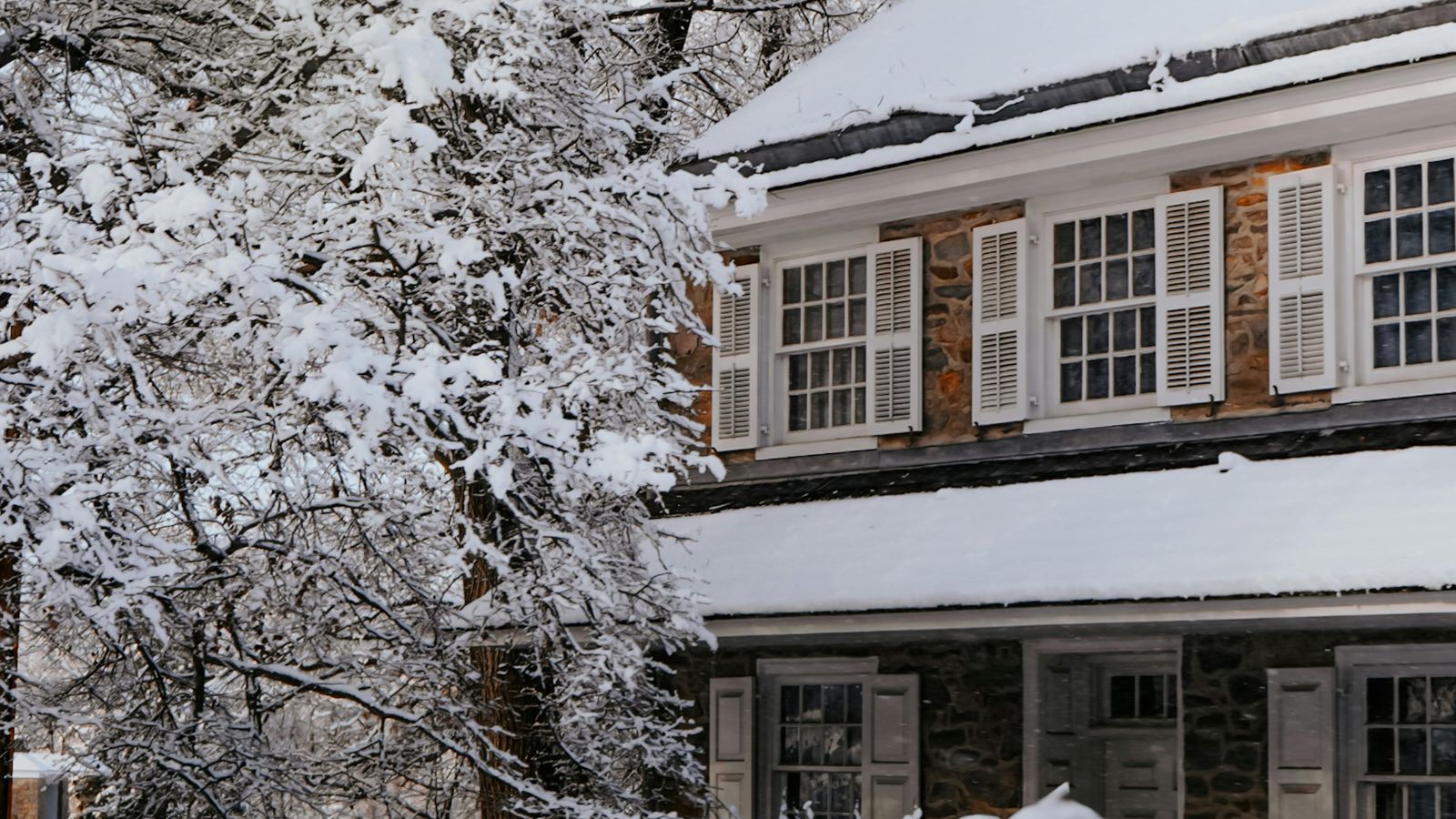
Winter storms in the Triad often bring a combination of ice, sleet, and snow rather than long periods of heavy snowfall. While these events may only last a short time, the impact on a home’s exterior can be significant. Ice buildup, freezing temperatures, and repeated freeze–thaw cycles place stress on roofing materials, siding, windows, gutters, and decks.
Many homeowners only look for obvious issues after a storm, such as missing shingles or visible leaks. In reality, some of the most costly damage develops slowly and may not be noticeable right away. Moisture can work its way behind siding, into roof penetrations, or around window frames, where it can lead to rot, mold, or structural concerns once temperatures rise.
The questions below address the most common concerns Triad homeowners have after an ice or snow storm. Understanding what to look for and when to take action can help protect your home and prevent small issues from turning into expensive repairs.
1. Can ice and snow cause damage to my home in the Triad?
Ice and snow can absolutely cause damage to homes in the Triad, even when storms are brief. Unlike areas that experience long winters, homes in this region are not built for repeated freezing conditions. When ice forms on exterior surfaces and then melts, it creates expansion and contraction that stresses materials across the home’s exterior.
Roofing materials can become brittle in cold temperatures, making shingles more likely to crack or lift. Ice can also work its way into small gaps around flashing, vents, and edges, allowing moisture to penetrate beneath the surface. Siding, window trim, and gutters are similarly affected, especially during freeze–thaw cycles where temperatures rise during the day and drop again overnight.
In many cases, the damage is not immediate or obvious. Issues often show up days or weeks later as leaks, drafts, or material separation. That’s why even minor ice or snow events in the Triad can lead to exterior damage that shouldn’t be ignored.
2. What parts of my home’s exterior are most vulnerable during ice and snow storms?
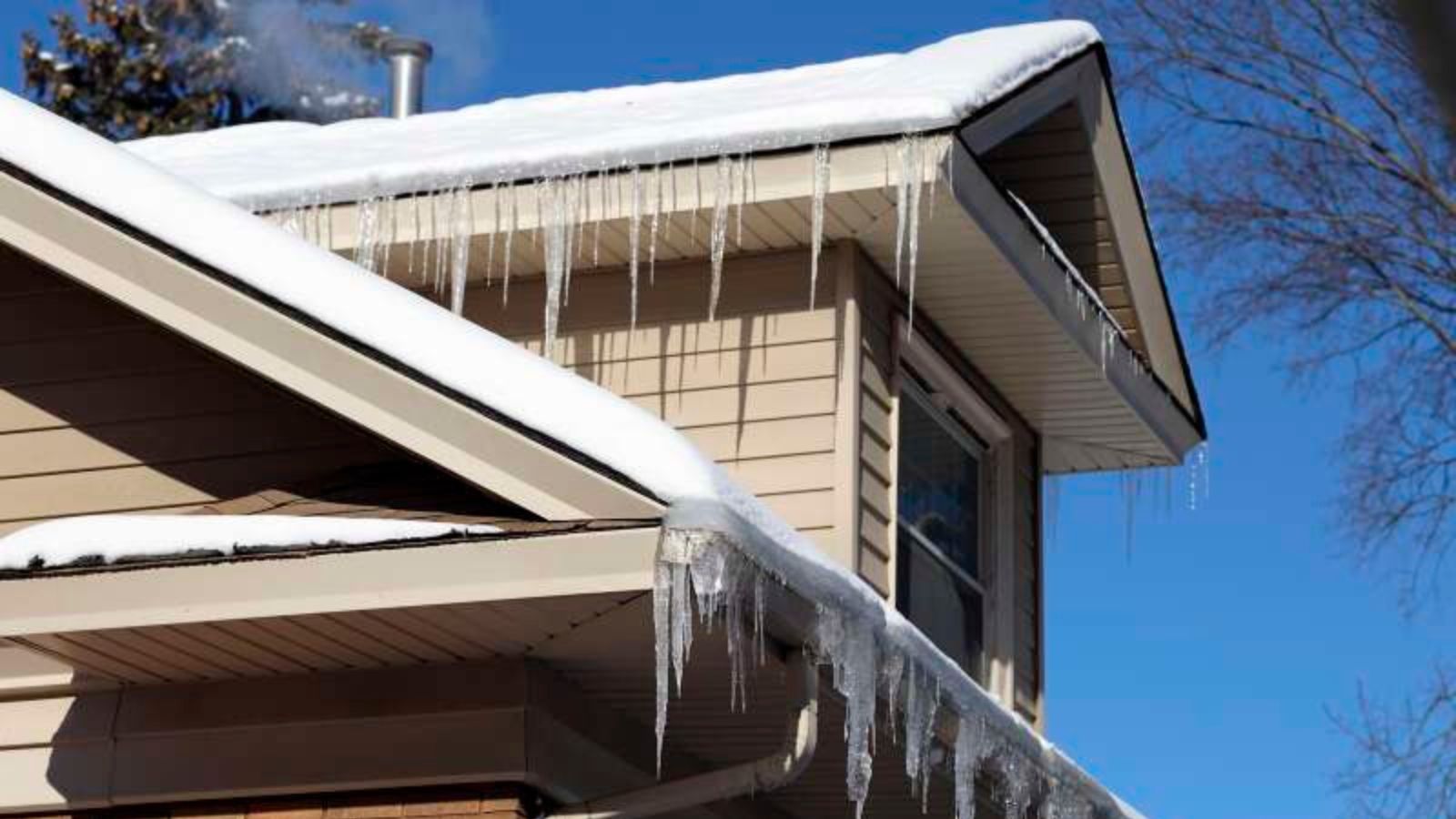
Ice and snow storms can affect multiple areas of a home’s exterior at the same time. In the Triad, the most vulnerable components are those that are exposed to moisture, temperature changes, and added weight from ice buildup.
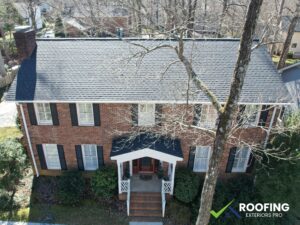
Roofs are often the first concern, especially around edges, valleys, chimneys, and roof penetrations where ice can collect and force water beneath shingles. Gutters and downspouts are also highly susceptible, as ice adds weight that can cause them to pull away from the home or crack once temperatures fluctuate.
Siding and exterior trim can be damaged when ice forms behind panels or along seams, leading to loosening, warping, or cracking. Windows are another common trouble spot, particularly around frames and seals where ice can expose weaknesses and allow air or moisture intrusion. Decks are frequently overlooked but can suffer from moisture absorption, surface cracking, and stress on fasteners during freeze–thaw cycles.
Because winter storms often impact several exterior components at once, focusing on just one area can cause other damage to go unnoticed. A full exterior check is the best way to identify potential issues early.
3. How can I tell if my roof was damaged by ice or snow?
Roof damage caused by ice or snow is not always easy to spot, especially from the ground. In the Triad, damage often occurs in subtle ways rather than dramatic shingle loss. Homeowners should look for changes that weren’t present before the storm.
Common roof storm damage signs include shingles that appear lifted, cracked, or uneven, flashing that looks bent or separated around chimneys and vents, and an unusual amount of shingle granules collecting in gutters or at downspout exits. Icicles forming repeatedly in the same areas can also indicate poor drainage or hidden moisture issues at the roof edge.
Inside the home, new water stains on ceilings or walls, damp attic insulation, or musty odors can point to roof-related moisture intrusion. These symptoms may appear days or even weeks after the storm, once ice melts and water finds its way into vulnerable areas.
Because many types of winter roof damage are not visible without getting on the roof, professional inspections are often the safest and most reliable way to confirm whether ice or snow caused damage.
4. Can ice and snow damage siding or cause it to loosen or crack?
Yes, ice and snow can damage siding, especially during repeated freeze–thaw cycles that are common in the Triad. When moisture gets behind siding panels and then freezes, it expands. That expansion can cause siding to loosen, shift, or crack over time.
Vinyl siding is particularly vulnerable in cold temperatures because it becomes more brittle and less flexible. Ice buildup or impact from falling ice can lead to cracking or separation at seams. Fiber cement and wood siding can also be affected when moisture is absorbed and then released repeatedly, leading to swelling, warping, or long-term deterioration.
Another common issue is ice forming along trim boards, corners, or around exterior fixtures. As the ice melts, water can seep behind the siding and remain trapped, increasing the risk of hidden damage that may not be visible right away.
Because siding damage isn’t always obvious from a quick glance, it’s important to look for subtle changes such as loose panels, gaps, or areas that no longer sit flat against the home after an ice or snow storm.
5. Do winter storms affect windows or cause leaks and drafts?
Ice and snow can expose weaknesses around windows that may not be noticeable during warmer months. In the Triad, freezing temperatures combined with moisture can cause window seals and caulking to shrink, crack, or pull away from the frame, allowing air and water to enter.
Homeowners may notice new drafts, increased condensation on the inside of windows, or water staining around window trim after a winter storm. These signs often point to compromised seals rather than an issue with the glass itself. Ice buildup on window sills or frames can also force moisture into small gaps that weren’t previously a problem.
Repeated freeze–thaw cycles make these issues worse over time. As ice melts during the day and refreezes overnight, small openings can gradually expand, increasing the risk of leaks or long-term water damage around window openings.
Addressing window-related issues early helps prevent moisture intrusion that can damage interior walls, insulation, and framing. Window technology is evolving and new window installation can do wonders for insulating your home and cutting power cost.
6. How do ice and snow damage gutters and downspouts?
Gutters and downspouts are especially vulnerable during ice and snow storms because they are designed to carry water, not support added weight. When ice forms inside gutters or along the roof edge, it can add significant stress to the system.
As ice builds up, gutters can begin to sag, pull away from the fascia, or bend at joints and seams. Fasteners may loosen, and in some cases, sections of gutter can detach completely. Downspouts are also at risk, as frozen water can cause them to crack or split, preventing proper drainage once temperatures rise.
When gutters and downspouts are damaged or blocked by ice, melting snow has nowhere to go. This can lead to water backing up under the roof edge or spilling over the sides, potentially damaging siding, trim, and the area around the foundation.
After an ice or snow storm, homeowners should look for gutters that appear misaligned, leaking at seams, or pulling away from the home, as these can be early signs of winter-related damage.
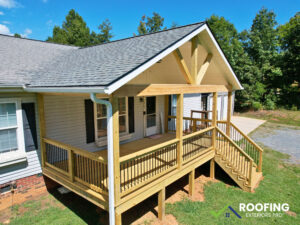
7. Can decks be damaged by ice, snow, and freezing temperatures?
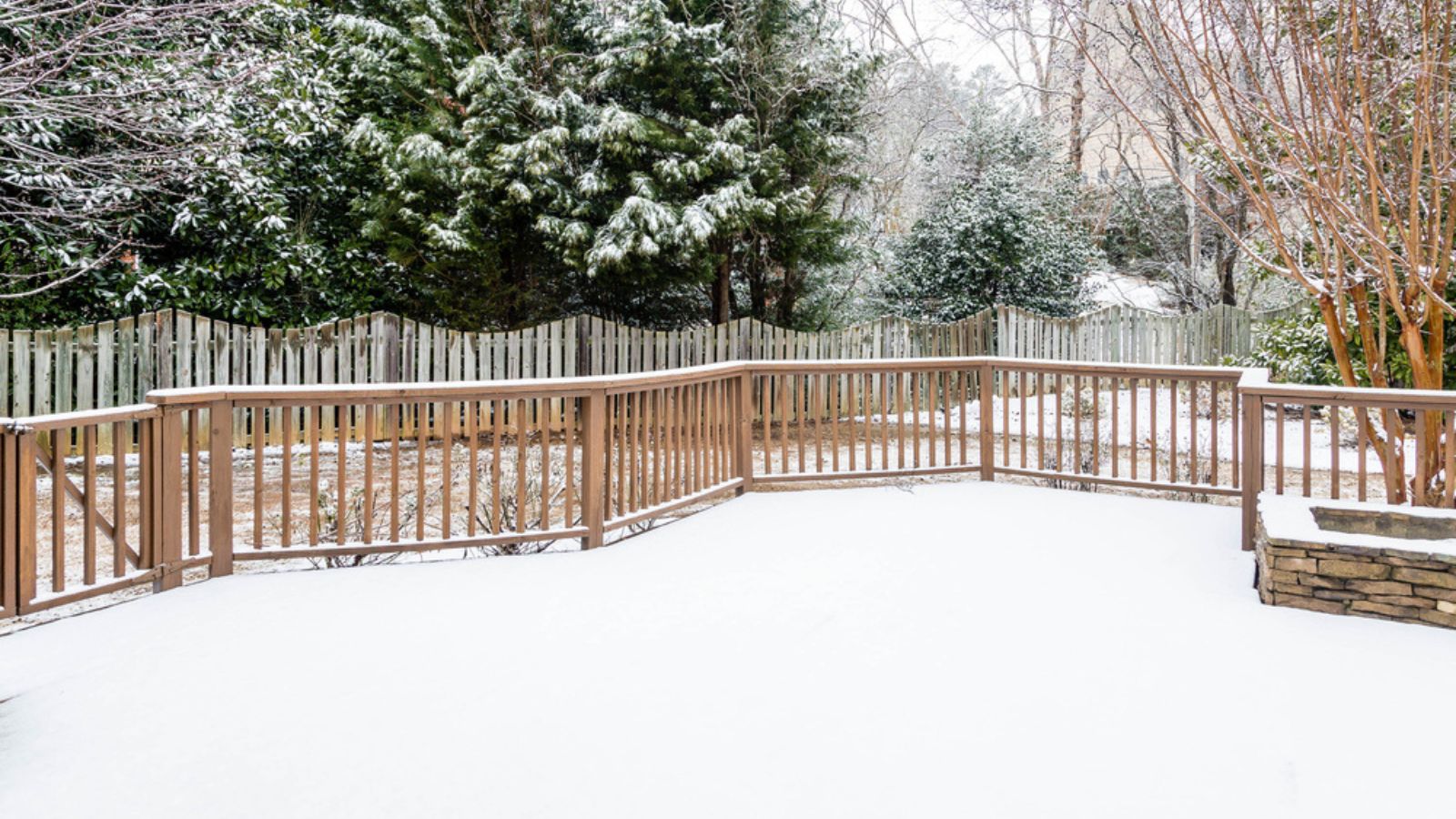
Yes, decks can be significantly affected by ice, snow, and freezing temperatures, especially in the Triad where winter weather is often followed by rapid warming. Deck boards can absorb moisture during snow or ice events, and when temperatures drop, that moisture freezes and expands, leading to cracking, warping, or surface splitting.
Freeze–thaw cycles can also loosen fasteners, weaken connections, and stress support posts and railings. Older decks or decks with untreated or aging materials are particularly vulnerable. Ice buildup on deck surfaces can hide early signs of damage and create safety hazards at the same time.
Another common issue is water collecting around ledger boards or support posts. If moisture becomes trapped and repeatedly freezes, it can accelerate rot and structural deterioration that may not be visible from the surface.
After a winter storm, homeowners should look for loose boards, soft spots, visible cracks, or changes in how the deck feels underfoot, as these can indicate damage caused by ice or snow.
If your deck has damage in many cases a portion of the deck could be salvaged. This is also known as a deck reskin and this could save money over a full deck replacement.
8. Is winter storm damage always visible right away?
No, winter storm damage is not always visible immediately. In many cases, the effects of ice and snow develop gradually, especially as temperatures fluctuate after the storm. In the Triad, this delayed damage is common due to frequent freeze–thaw cycles.
Moisture that enters small gaps in roofing, siding, or around windows during an ice or snow event may remain hidden until it melts and spreads. This can lead to issues such as interior leaks, soft spots, or material separation days or even weeks later. Damage behind siding or under roofing materials often goes unnoticed until it becomes more severe.
Because early signs can be subtle, homeowners may assume their home was unaffected when problems are actually forming out of sight. Monitoring your home after a storm and addressing small concerns early can help prevent more extensive repairs down the line.
9. Will homeowners insurance cover ice or snow damage to my home’s exterior?
In many cases, homeowners insurance does cover storm damage caused by ice or snow, but coverage depends on the specific policy and the type of damage involved. Most standard policies cover sudden and accidental damage, such as a roof leak caused by ice buildup or gutters damaged by the weight of snow.
However, insurance companies may deny claims if damage is linked to lack of maintenance or pre-existing issues. For example, deteriorated roofing materials or already-failing siding may not be fully covered, even if winter weather made the problem worse. That’s why documentation is important after an ice or snow storm.
Homeowners should take photos of any visible damage and make notes about when issues first appeared. Having a professional exterior inspection can also help identify storm-related damage and provide clear documentation if an insurance claim is needed.
Understanding what your policy covers before filing a claim can help avoid surprises and ensure the process goes more smoothly.
10. What should Triad homeowners do immediately after an ice or snow storm?
After an ice or snow storm, the first step is to safely walk around your home and look for visible exterior changes. This includes checking for missing or lifted shingles, sagging or detached gutters, loose siding panels, cracked trim, and any obvious damage to decks or railings. Inside the home, watch for new water stains, damp areas, or drafts that weren’t present before the storm.
Homeowners should avoid climbing on roofs, icy decks, or ladders, as these surfaces can be extremely dangerous after winter weather. Even minor ice can create serious slip hazards and increase the risk of injury.
Documenting any concerns with photos and notes is helpful, especially if issues develop days later as ice melts.
Scheduling a professional exterior inspection from Roofing Exteriors Pro allows potential damage to be identified early, before small problems turn into costly repairs. Taking action soon after a storm helps protect the home and provides peace of mind heading into the rest of the winter season.
Final Thoughts for Triad Homeowners
Ice and snow storms in the Triad may be short-lived, but the effects on a home’s exterior can linger long after temperatures rise. Damage caused by freezing conditions isn’t always obvious right away, which is why looking beyond just the roof and considering the entire exterior is so important.
Taking the time to understand how winter weather affects roofing, siding, windows, gutters, and decks can help homeowners spot issues early and avoid more extensive repairs later. Even small changes after a storm are worth paying attention to, especially in a region where homes aren’t designed for prolonged freezing
Schedule a Professional Exterior Inspection
If your home experienced an ice or snow storm in the Triad and you have concerns about possible damage, Roofing Exteriors Pro offers professional exterior inspections to help homeowners understand the condition of their property. Our team looks at the entire exterior including roofing, siding, windows, gutters, and decks to identify potential issues caused by winter weather.
An inspection can help determine whether damage is present, what repairs may be needed, and whether documentation may be helpful for insurance purposes. If you’d like peace of mind after a winter storm, contacting Roofing Exteriors Pro is a simple next step.
Give Roofing Exteriors Pro A Call 336-875-5002 to schedule your free estimate and inspection by clicking here